Introduction
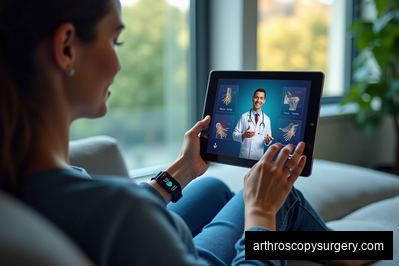
The advent of technology has revolutionized various industries, and healthcare is no exception. Telehealth, the provision of healthcare remotely through telecommunications, has emerged as a game-changer. One area where it has shown immense promise is preoperative and postoperative arthroscopic care. Arthroscopy is a minimally invasive surgical procedure on a joint, and telehealth can support patient care before and after this procedure in numerous ways.
Through telehealth, healthcare providers can engage in virtual consultations, monitor patient recovery, and provide necessary guidance from a distance. The benefits are numerous, ranging from increased accessibility to cost-effectiveness. However, the implementation of telehealth comes with its challenges, which we will explore in this comprehensive guide.
Expanding on the introduction, it's intriguing to note how technological advancements have not only revolutionized healthcare delivery but also transformed patient care experiences. For instance, the integration of electronic health records (EHRs) has streamlined the documentation process, allowing healthcare providers to access comprehensive patient information quickly and efficiently. This digital transition has significantly enhanced the quality of care by promoting better communication among healthcare teams and facilitating more accurate diagnoses.
Moreover, the rise of telemedicine has opened up new avenues for remote consultations and monitoring, enabling patients to receive timely medical attention without the need for physical appointments. This shift towards virtual healthcare services has not only increased accessibility to care but also improved patient outcomes by reducing unnecessary delays in treatment. As we delve deeper into the impact of technology on healthcare, it becomes evident that these innovations are reshaping the industry landscape, promising a future where healthcare delivery is more efficient, personalized, and patient-centered.
Telehealth in Preoperative Care
Preoperative care refers to the evaluation and preparation of patients before surgery. Traditionally, this has required in-person visits to the clinic, often multiple times. However, telehealth is increasingly being used to streamline this process. For instance, virtual consultations allow healthcare providers to evaluate patient readiness for surgery, deliver preoperative instructions, and answer any questions the patient might have.
A study by the University of California, San Francisco showed that using telehealth for preoperative care led to a 50% reduction in patient cancellations on the day of surgery. The study attributed this to the fact that telehealth allowed for more thorough preparation and better patient understanding of the procedure. Additionally, telehealth can also alleviate patient anxiety, as they can have their concerns addressed promptly without the need for travel.
Telehealth has revolutionized preoperative care by enabling remote consultations and monitoring, enhancing patient convenience and safety. Through video calls, patients can now consult with their healthcare providers, discuss surgical procedures, and address any concerns from the comfort of their homes. Moreover, wearable health devices can transmit real-time data to medical professionals, allowing for continuous monitoring of vital signs and potential complications. For instance, a patient scheduled for surgery can use a connected device to track their blood pressure, heart rate, and oxygen levels, providing valuable insights to the healthcare team even before they step into the hospital. This proactive approach not only streamlines the preoperative process but also improves patient outcomes by identifying and addressing risks early on.
Telehealth in Postoperative Care
Following arthroscopic surgery, telehealth proves to be a valuable tool for postoperative care. This includes wound monitoring, pain management, and physical therapy. Telehealth allows healthcare providers to monitor patients' recovery remotely, and patients can report any symptoms or issues without the need to travel to a clinic.
For instance, a study published in the Journal of Arthroplasty found that patients who used telehealth for postoperative care after knee replacement surgery had similar outcomes to those who received traditional in-person care. Furthermore, these patients reported higher satisfaction levels due to the convenience and personalization that telehealth offered.
Telehealth in postoperative care presents a myriad of benefits beyond convenience and accessibility. For instance, remote monitoring through telehealth platforms allows healthcare providers to closely track a patient's progress in real-time, enabling timely interventions if any complications arise. This proactive approach not only enhances patient safety but also fosters a sense of reassurance and continuity of care post-surgery. Moreover, telehealth consultations facilitate clearer communication between patients and healthcare professionals, ensuring that any concerns or queries are promptly addressed without the need for in-person visits.
Furthermore, the integration of telehealth technologies in postoperative care extends support to patients in remote or underserved areas, overcoming geographical barriers to access quality healthcare services. Patients recovering from surgery can benefit from virtual physical therapy sessions, wound assessments, and medication management, all from the comfort of their homes. This level of personalized care not only promotes better recovery outcomes but also empowers patients to actively participate in their healing journey. As telehealth continues to evolve, its role in optimizing postoperative care is becoming increasingly indispensable in modern healthcare practices.
Benefits and Challenges of Telehealth in Arthroscopic Care
The benefits of telehealth in arthroscopic care are evident. Telehealth enhances patient accessibility to healthcare services, especially for those in remote or underserved areas. It can also decrease healthcare costs by reducing the need for in-person visits and hospital stays. Moreover, telehealth can provide personalized care, as patients can communicate with their healthcare providers at their convenience.
However, implementing telehealth is not without its challenges. Technological barriers can hinder its usage, especially among the elderly population who may not be tech-savvy. Additionally, while telehealth can reduce healthcare costs overall, the initial investment in telehealth technology can be substantial. Lastly, there are concerns about patient privacy and data security, which healthcare providers must address to build patient trust in telehealth services.
While the benefits of telehealth in arthroscopic care are substantial, it's crucial to address the challenges that come with this innovative approach. One notable challenge is the potential limitations in accurately assessing physical symptoms remotely. In arthroscopic procedures, precise evaluation of joint movements and tissue condition is critical for successful outcomes. Without the ability to conduct hands-on examinations, healthcare providers may face difficulty in accurately diagnosing certain conditions or monitoring post-operative progress.
Additionally, ensuring the security and privacy of patient data during telehealth consultations poses a significant challenge. In arthroscopic care, sensitive medical information and imaging results are shared and discussed virtually, raising concerns about data confidentiality and protection from cyber threats. Implementing robust encryption protocols and compliance measures is essential to maintain patient trust and safeguard confidential information in the telehealth setting.
The Future of Telehealth in Arthroscopic Care
Despite these challenges, the future of telehealth in arthroscopic care looks promising. As technology continues to improve, so will the capabilities of telehealth. With the advent of artificial intelligence and machine learning, more sophisticated telehealth applications are on the horizon, such as predictive analytics to anticipate patient complications and the use of virtual reality for rehabilitation.
Furthermore, as healthcare providers and patients become more comfortable with telehealth, it is likely to become an integral part of arthroscopic care. Dr. Sarah Smith, an orthopedic surgeon at Johns Hopkins Hospital, suggests that "The convenience and efficiency of telehealth are unrivaled. As we continue to innovate in this space, we can transform the patient experience in arthroscopic care."
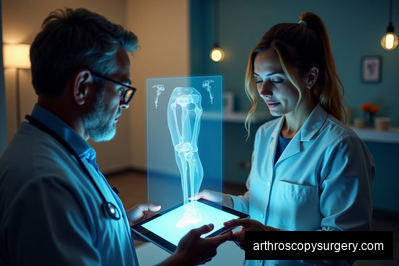
Looking ahead, advancements in telehealth technology are poised to revolutionize arthroscopic care delivery. Imagine a scenario where orthopedic surgeons can remotely guide and supervise arthroscopic procedures in real-time through high-definition video feeds and augmented reality interfaces. This level of virtual presence could enhance precision and efficiency, ultimately leading to better patient outcomes and reduced healthcare costs.
Furthermore, the integration of artificial intelligence (AI) algorithms into telehealth platforms holds great promise for arthroscopic care. These AI-driven systems can analyze medical images, predict potential complications, and even assist in surgical decision-making. By harnessing the power of AI, telehealth in arthroscopic care can offer personalized treatment plans tailored to each patient's unique needs, optimizing the overall surgical experience and recovery process.
Conclusion
In conclusion, telehealth has the potential to transform preoperative and postoperative arthroscopic care. By increasing accessibility, reducing costs, and providing personalized care, telehealth can significantly improve the patient experience. However, healthcare providers must address the associated challenges, particularly regarding technology, cost, and data security, to fully harness the benefits of telehealth.
As we move forward, it is crucial that we continue to innovate and adapt, integrating technology into healthcare in ways that genuinely benefit patients. Telehealth is undoubtedly a step in the right direction and promises a brighter future for arthroscopic care.
As we reflect on the impact of telehealth in the realm of orthopedic surgeries, it becomes evident that the advantages extend beyond the procedural aspects. One key benefit worth highlighting is the increased accessibility to specialized care, especially for patients in remote areas or with mobility limitations. By leveraging telehealth technologies, healthcare providers can offer expert guidance and support to individuals undergoing arthroscopic procedures, ensuring optimal preoperative preparation and seamless postoperative recovery.
Furthermore, the utilization of telehealth in orthopedic care has the potential to enhance patient outcomes through personalized monitoring and tailored rehabilitation plans. For instance, by remotely assessing a patient's progress and providing real-time feedback, healthcare professionals can address concerns promptly and adjust treatment strategies as needed. This proactive approach not only fosters patient engagement but also contributes to the overall success of arthroscopic interventions, paving the way for a more efficient and patient-centric healthcare landscape.